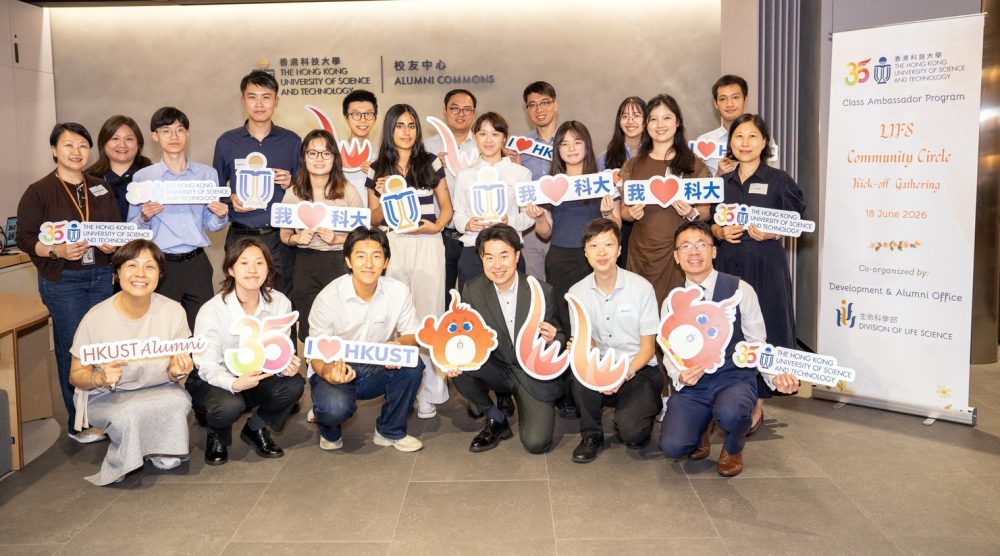
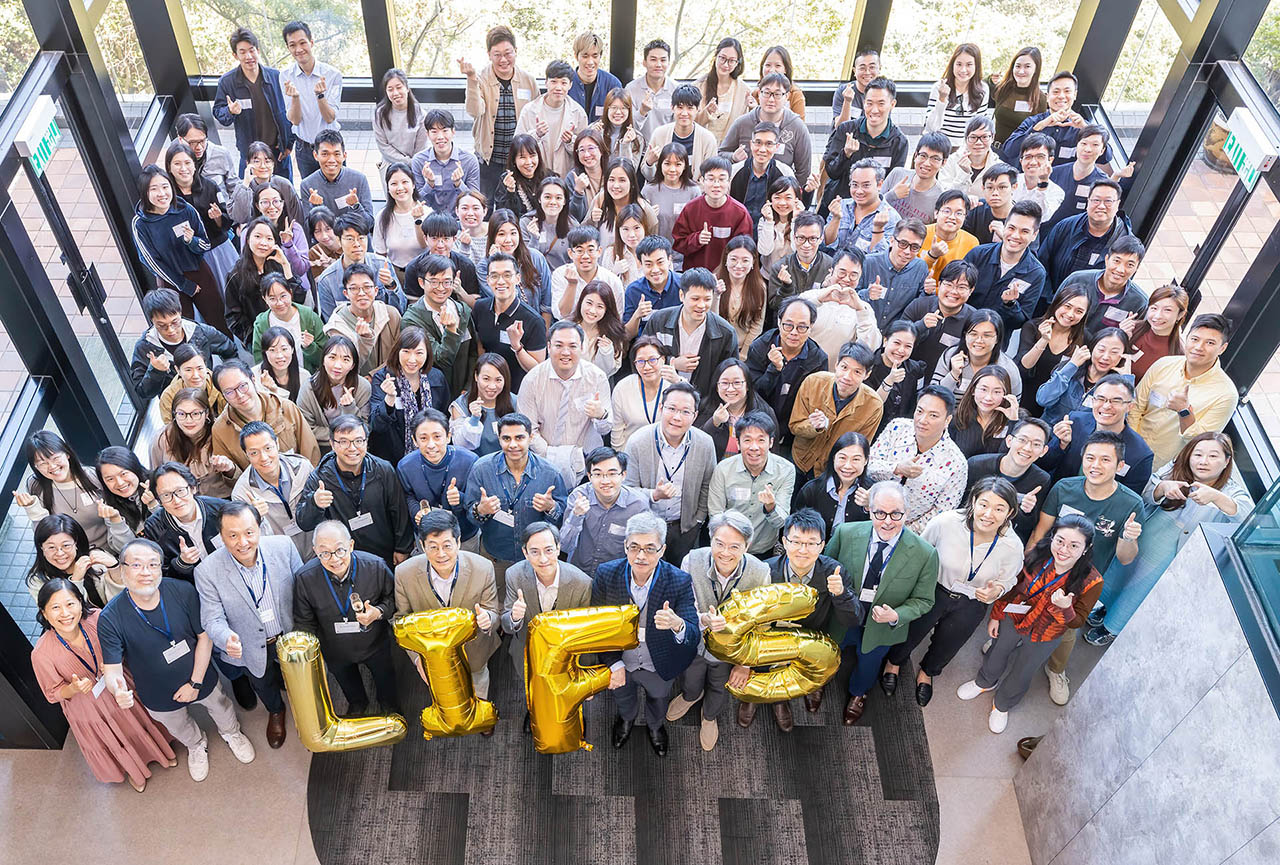
The Class Ambassador Program — the pilot initiative for the LIFS Community Circle co-organized by the Development and Alumni Office (DAO) and the Division of Life Science (LIFS)— was successfully launched on 18 June at the Alumni Commons.
The kick-off gathering brought together LIFS faculty members, alumni, students, and DAO colleagues. Our first cohort of Class Ambassadors had the...Read More
Short Summary
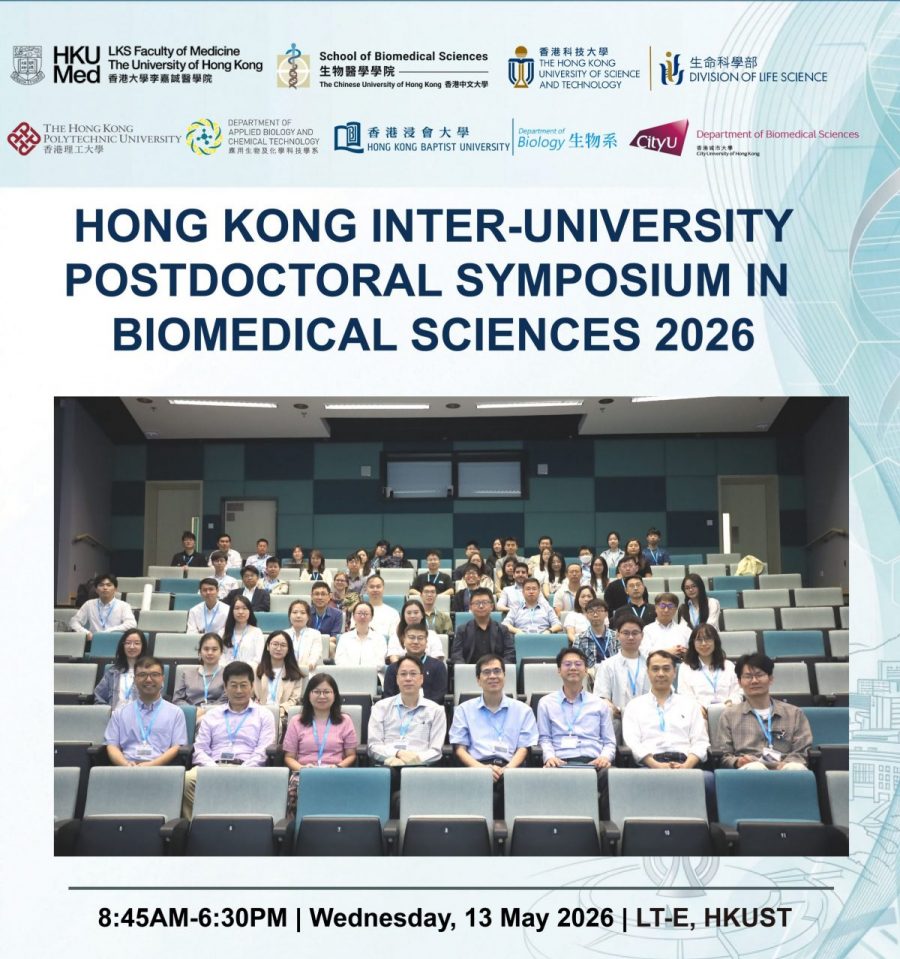
The 3rd Hong Kong Inter-University Postdoctoral Symposium in Biomedical Sciences was successfully held on Wednesday, May 13, 2026, at Lecture Theatre E, Hong Kong University of Science and Technology (HKUST).
Read More
The 3rd Hong Kong Inter-University Postdoctoral Symposium in Biomedical Sciences was successfully held on Wednesday, May 13, 2026, at Lecture Theatre E,...Read More
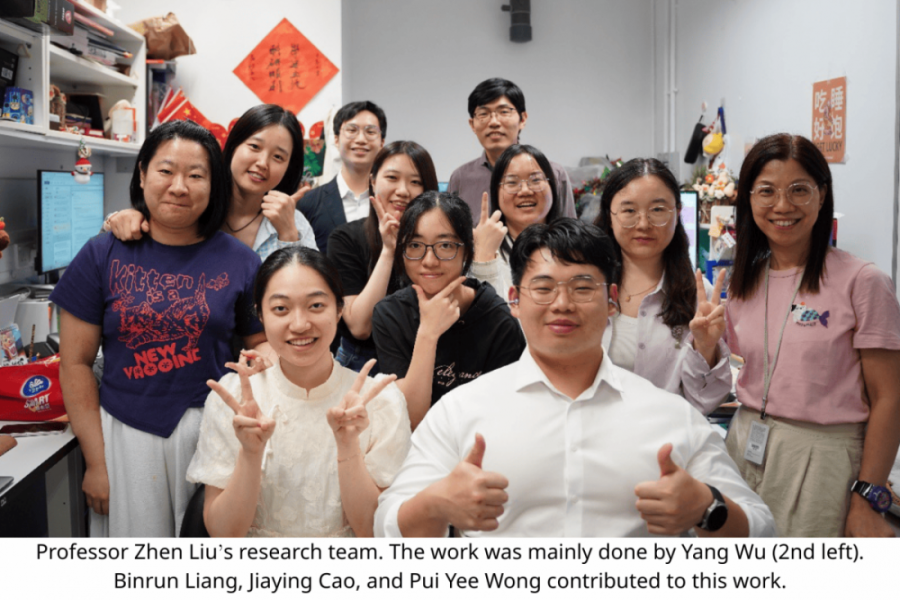
Cilia are tiny and hair-like organelles extruding from the surface of most cell types, serving either sensory or motile functions. In the eyes, the photoreceptor cells possess sensory cilia that are important for vision. Motile cilia align along the surface of the respiratory tract and function in airway clearance of mucus and inhaled pathogens. Mutations in retinitis pigmentosa GTPase...Read More
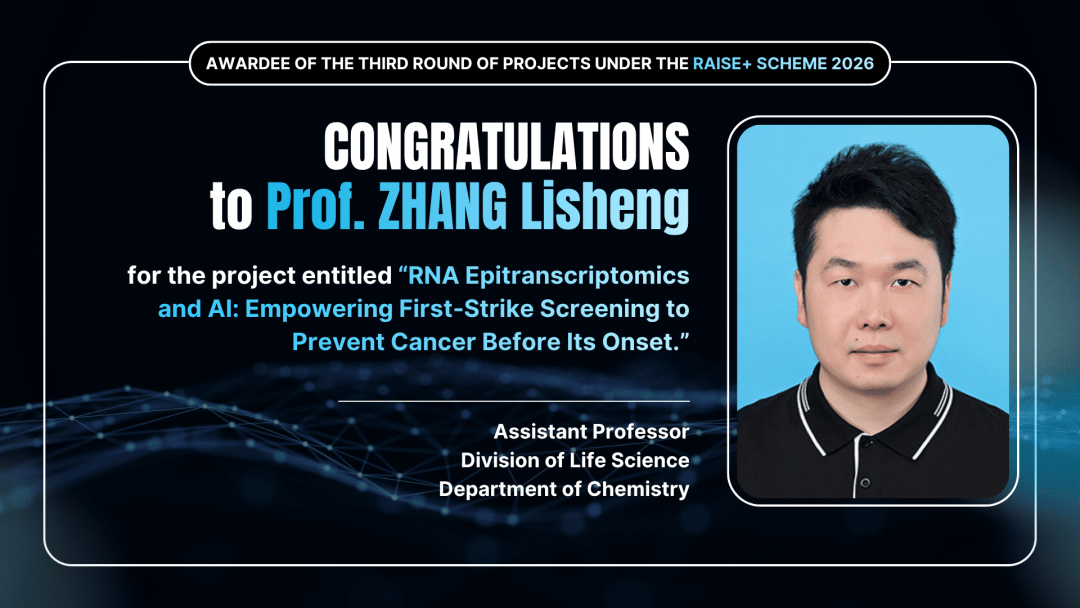
The Innovation and Technology Commission of the HKSAR Government has recently announced the results of the third round of projects selected for funding under the Research, Academic and Industry Sectors One‑plus (RAISe+) Scheme.
Congratulations to Project Leader Prof. ZHANG Lisheng, (Assistant Professor in the Division of Life Science and the Department of Chemistry), whose project has been...Read More
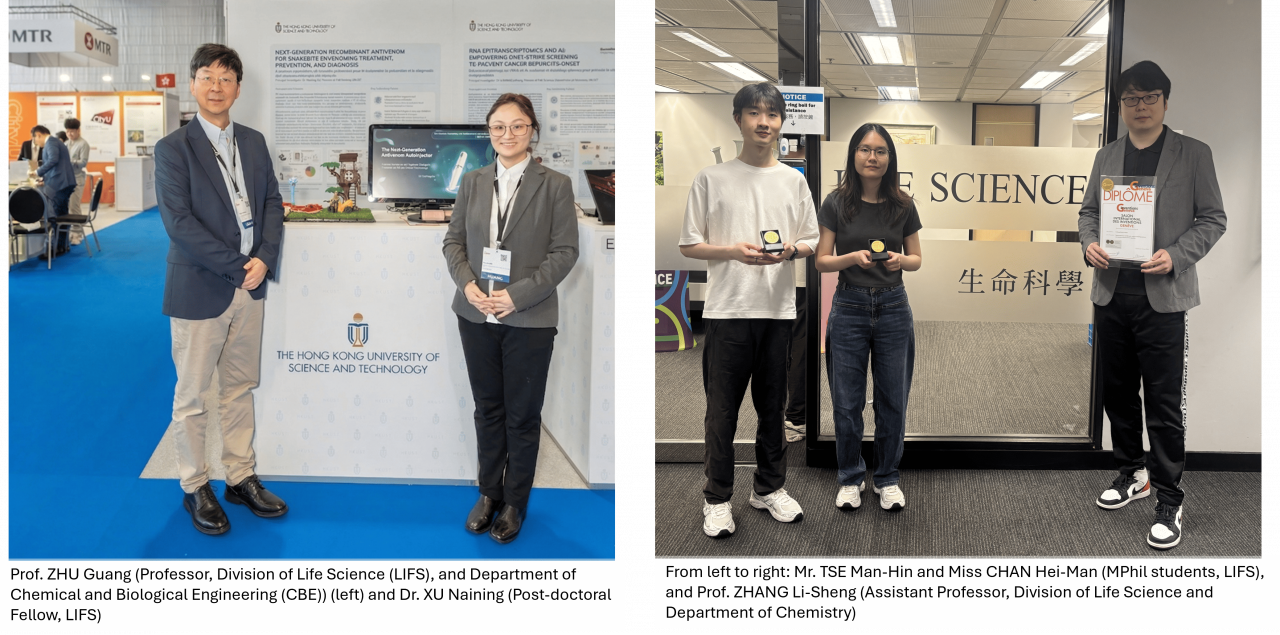
Research teams from the Division of Life Science (LIFS) at The University of Science and Technology (HKUST) achieved recognition at the 51st International Exhibition of Inventions Geneva (Geneva Inventions Expo).
HKUST’s 62 participating teams won a total of 62 accolades–including 13 Gold Medals with Congratulations of the Jury, 20 Gold Medals, 20 Silver Medals, and 9 Bronze Medals....Read More
More than 90 alumni from the Division returned to campus on 14 March 2026 to reconnect with fellow graduates and professors at the LIFS Alumni Homecoming 2026.
The event started with a welcoming cocktail reception followed by a buffet lunch. Prof. Guojun BU, Head of Division, shared recent developments and achievements of LIFS, while Prof. Yung Hou WONG, Dean of Science, provided updates on...Read More
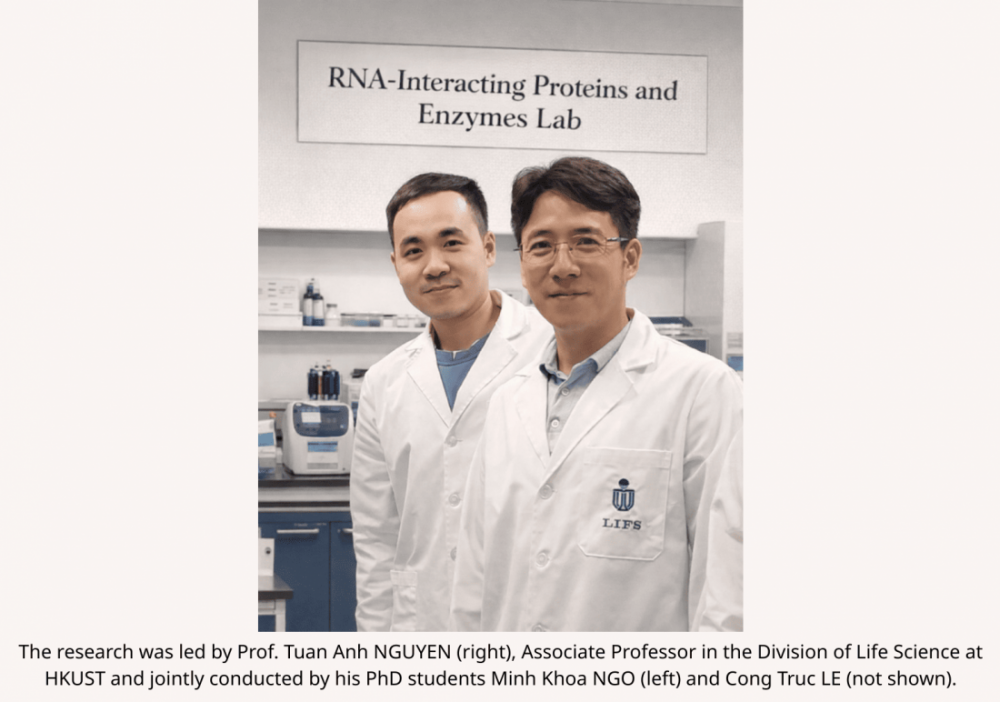
A research team from The Hong Kong University of Science and Technology (HKUST) has made a breakthrough discovery in understanding the molecular machinery of RNA silencing. The team uncovered how the human enzyme DICER achieves highly precise processing of microRNAs (miRNAs), advancing gene regulation research and offering new insights into the mechanisms underlying cancer, immune disorders,...Read More
Division of Life Science
LIFS Summer Recruitment Camp 2026
For 2027/28 Fall Postgraduate Admission
6 July 2026 – 10 July 2026 (5 days)
Online Application Form
Information
Poster
(Available in English and Simplified Chinese)
The Hong Kong University of Science and Technology (HKUST) promotes...Read More
Division of Life Science
LIFS Summer Research Program 2026
Online Application Form
Information
Poster
The Summer Research Program is designed for outstanding end-of-year 3 undergraduate students who are interested in pursuing research postgraduate study in the Division of Life Science at the...Read More
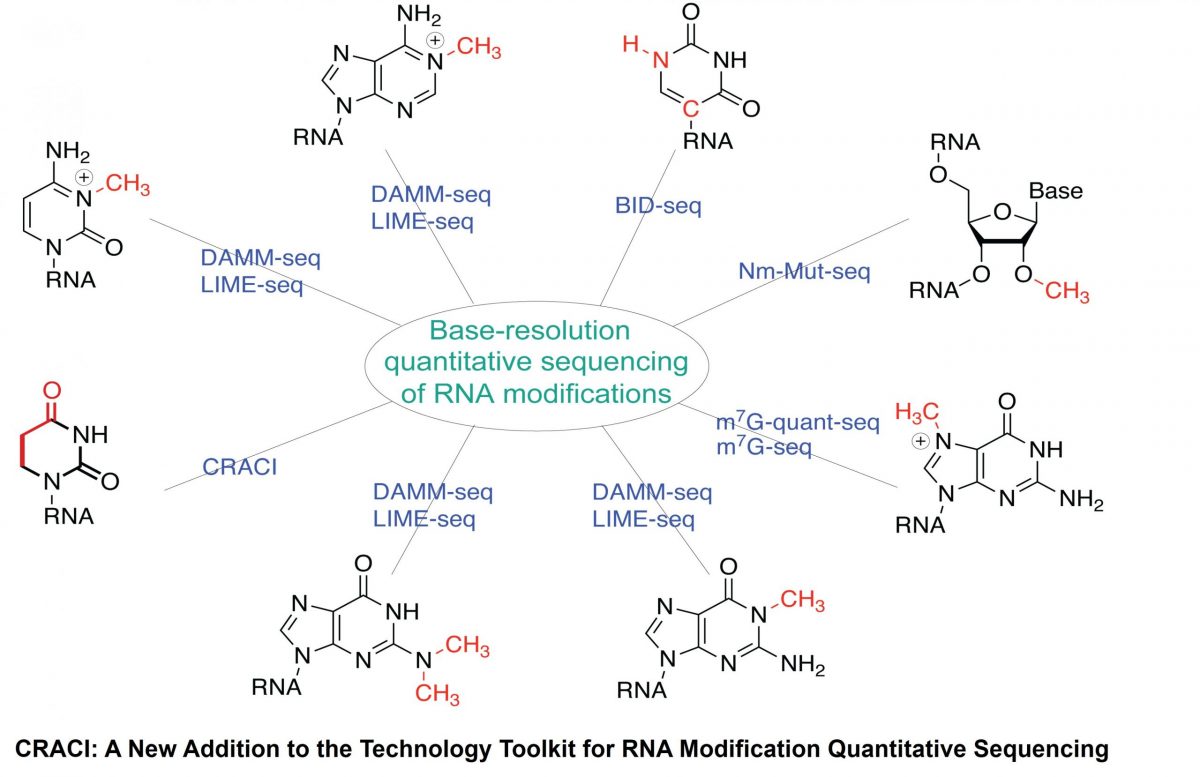
A team led by Prof. ZHANG Li‑Sheng (Division of Life Science & Department of Chemistry, HKUST) has developed Chemical Reduction Assisted Cytosine Incorporation sequencing (CRACI) — a sensitive method that quantitatively pinpoints dihydrouridine (D), the most abundant tRNA modification at the single-base resolution.
Small chemical marks on RNA—like D—can work like fine‑tuning structural...Read More
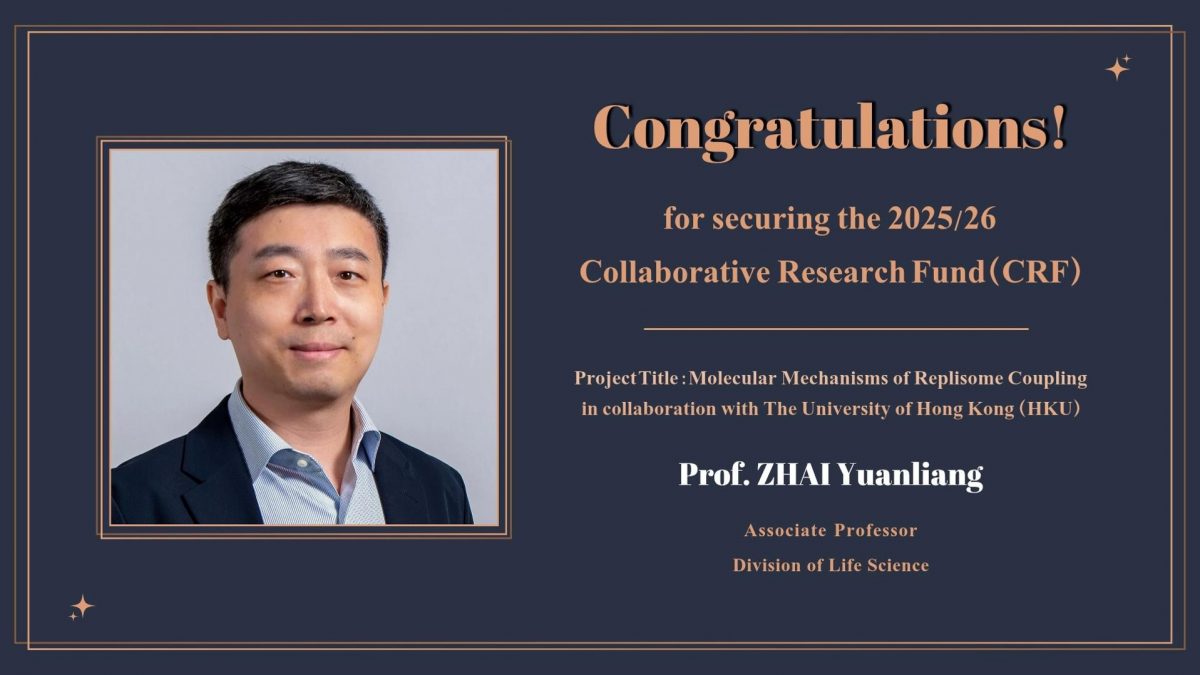
Prof. ZHAI Yuanliang, Associate Professor in the Division of Life Science (LIFS), has been awarded the Collaborative Research Project Grant (CRPG) under the Collaborative Research Fund (CRF) 2025/26. He was awarded HKD7.96 million for the project “Molecular Mechanisms of Replisome Coupling” in collaboration with The University of Hong Kong (HKU).
Read More
Membrane proteins are crucial for numerous biological processes and serve as important drug targets. For decades, scientists have relied on detergents to extract membrane proteins from cell membranes for structural studies. While detergent-based approaches have significantly advanced our understanding of membrane protein structures, they present certain limitations, such as...Read More


_Bilingual_Traditional_Chinese.svg)